‘Tis the season: the fresh World University Rankings are in, listing the world’s top universities based on 18 performance indicators.
Wondering which universities made the cut for the top 10? We’ve prepared a brief overview of the 2026 list below.
That said, there are hardly any surprises, especially compared to the previous year’s top 10 universities in the world. The list itself comprises all the same names, just in a slightly different order. As per usual, all top universities are located either in the U.S. or the UK.
University of Oxford (Oxford, UK)

Consistently present on lists of the most prestigious universities in the world, the University of Oxford takes the lead in the 2026 rankings, just like the year before. In fact, it’s been heading the list every year since 2017.
The University of Oxford is the oldest post-secondary institution in the English-speaking world and the second-oldest in the world. With 43% of its 22,005-strong student body comprised of international students, the university is highly diverse. It’s also making a commendable effort to expand access to its programs with non-repayable bursaries for UK students in need.
Key strengths:
- World-leading research capacity, with opportunities available for undergraduate students
- Generous financial support for UK students from disadvantaged backgrounds
- Rich in learning materials (over 100 libraries with 4,000+ study spaces, many open 24/7)
- Access to exclusive internships and work opportunities through Oxford’s Careers Service
Massachusetts Institute of Technology (Cambridge, US)
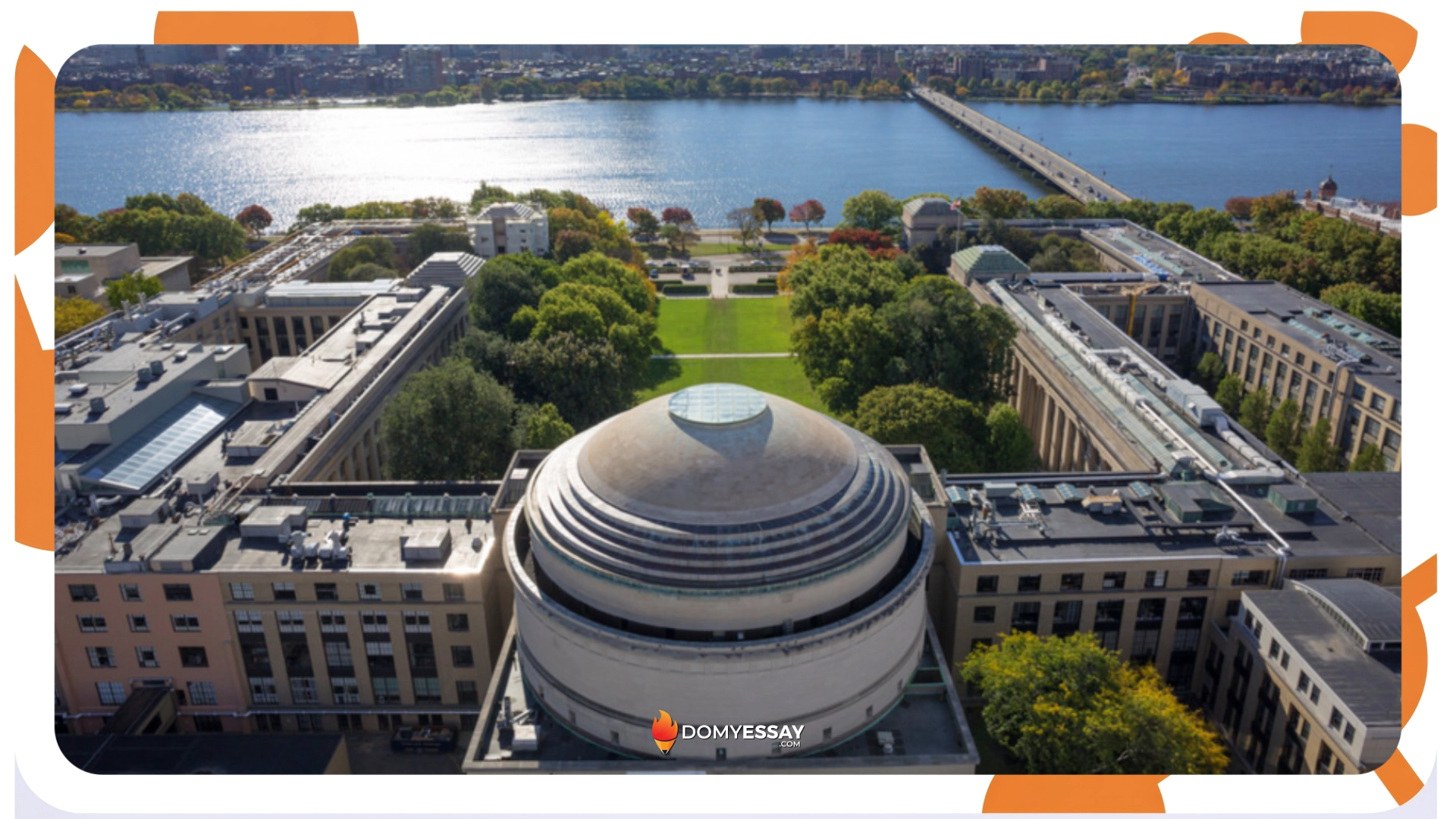
If you’re envisioning a career in STEM, MIT is the university of your dreams. MIT’s student body is roughly half that of the University of Oxford’s. But its selective admissions process brings together applicants with the highest potential to become world-class entrepreneurs, researchers, and engineers.
MIT is also home to some of the most innovative research in STEM, including big data, sustainable energy, human health, and more. Its focus on entrepreneurship, in turn, shows among its alumni: they’ve launched 30,000+ companies that are still active today.
Key strengths:
- Hands-on approach to learning, emphasized in every course and program
- Access to groundbreaking research opportunities (e.g., UROP for undergraduate students)
- Focus on initiative-taking and entrepreneurship, with institutional support through the Martin Trust Center for MIT Entrepreneurship
- World-renowned STEM programs, including those focused on innovative fields like AI/ML
Princeton University (Princeton, US)

The highest-ranking (but hardly the only) Ivy League university on the list, Princeton University, is relatively small, with the student body falling under 10,000. But that’s intentional: Princeton emphasizes small class sizes and close collaboration between students and faculty.
Princeton University also positions itself as an undergraduate university first and a graduate one second. So, you’ll find a wealth of resources, programs, and opportunities if you’re a future undergrad.
Key strengths:
- Strong focus on undergraduate education over graduate programs
- Small class sizes, low student-faculty ratio, and focus on faculty-student collaboration
- Obligatory junior paper and senior thesis for undergraduates, which demands higher academic rigor
- One of the most generous financial aid programs in the United States, with need-blind admissions and no-loan rules (loans are replaced by grants that don’t have to be repaid)
University of Cambridge (Cambridge, UK)

Every year, the University of Cambridge welcomes over 20,000 undergraduate and graduate students who pursue their studies across its 31 autonomous colleges. Thanks to the sheer number of colleges, the university offers a diverse range of world-renowned programs, from archaeology to veterinary medicine.
This college-based structure also means that students live and learn in close-knit communities; each college has its own accommodation and campus. This approach also promotes close collaboration between faculty and students, which improves learning outcomes across the board.
Key strengths:
- 31 colleges with their own courses, programs, accommodation, and campuses
- Personalized instruction, with one-on-one sessions called supervisions
- 116 libraries with 16 million books, with the University Library holding every book published in the UK
- Close-knit, family-like communities thanks to the residential college structure
Harvard University (Cambridge, US)
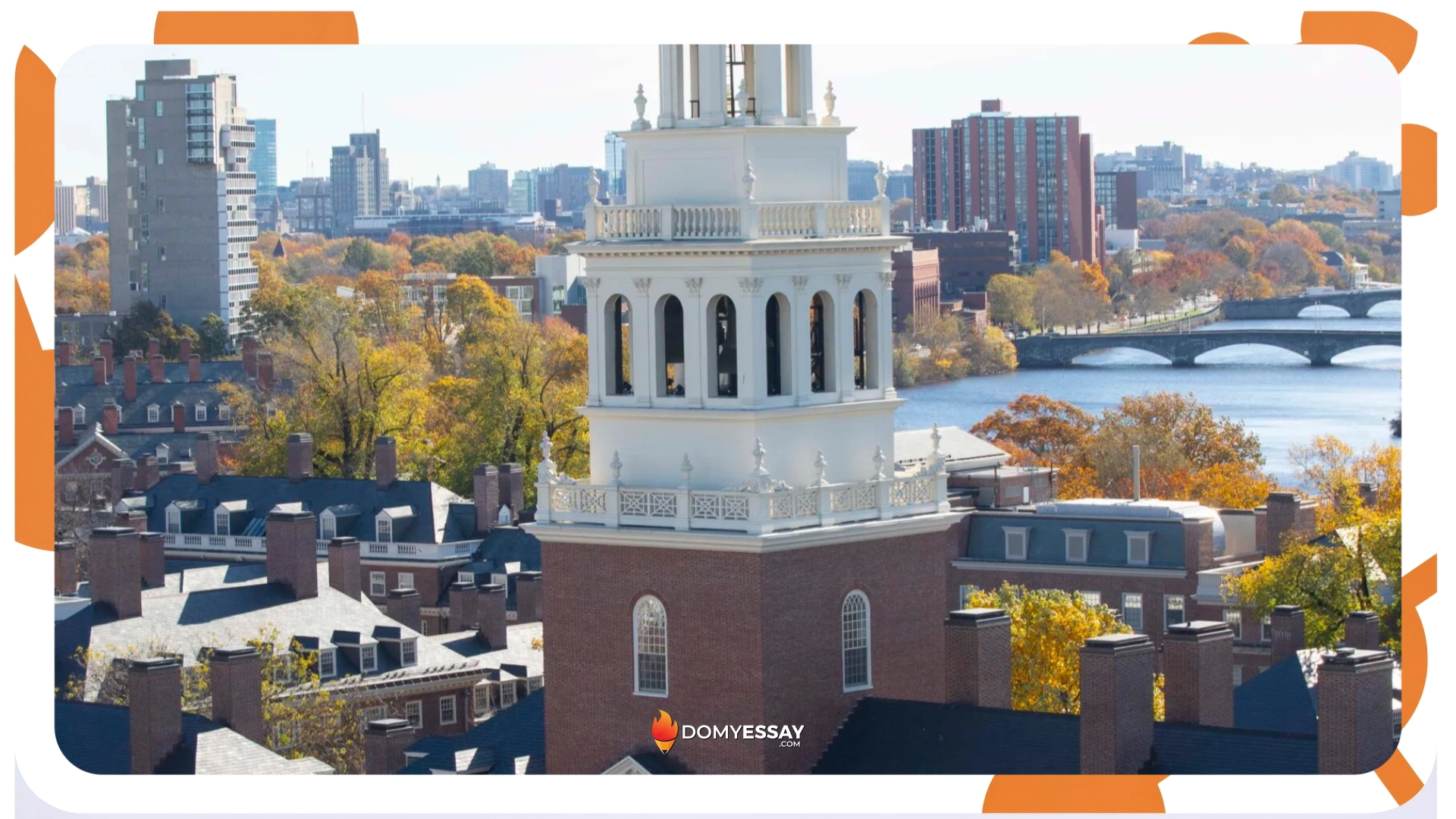
Another Ivy League institution on our list, Harvard University is the oldest university in the United States. Known for its high-achieving alumni (including 45+ Nobel laureates and 30+ heads of state), Harvard offers world-class programs in social sciences, English, and law, among others.
Of course, you may also know Harvard for its focus on academic excellence. The university’s coursework is often touted as one of the most intellectually challenging. That said, despite its extensive financial aid programs, Harvard remains one of the most expensive universities to attend, too.
Key strengths:
- Heavy investment in research (over $500 million a year), including in computer and biological sciences
- Strong law, English, and social sciences programs
- Expansive alumni network that includes the likes of Barack Obama and John F. Kennedy
- Strong focus on interdisciplinary studies, with faculty encouraging students to explore cross-subject connections
Stanford University (Stanford, US)

Comprised of seven academic schools, Stanford University offers 65+ majors across STEM, law, education, humanities, and more. That said, only three of those schools offer undergraduate degrees, including the School of Engineering.
Stanford is often called the cradle of Silicon Valley entrepreneurs. The university is just 40 miles away from Silicon Valley, and many of its alumni have left their mark in tech (e.g., Google co-founders Larry Page and Sergey Brin).
Key strengths:
- Need-blind admissions, with need-based financial aid ranging from tuition fee exemption to free tuition, board, and room
- Strong focus on interdisciplinary collaboration, with the Stanford Doerr School leading the way in interdisciplinary environment and sustainability research
- Extensive external research project sponsorship ($1.98 billion in 2023-2024)
- Specialized research centers (SLAC National Accelerator Laboratory, Hoover Institution, Jasper Ridge Biological Preserve, Hopkins Marine Station)
California Institute of Technology (Pasadena, US)

Also known as Caltech, the California Institute of Technology is highly selective, with its student body counting only 2,401 people. That said, Caltech made a name for itself as a science and engineering research and innovation hub, with its most popular majors being computer science and mechanical engineering.
If you’re interested in space exploration, Caltech definitely deserves your attention. After all, the institute manages the Jet Propulsion Laboratory (JPL), a research lab specializing in robotic exploration of the solar system.
Key strengths:
- World-leading science and engineering programs and research opportunities
- 3/2 program available; it allows students from certain liberal arts colleges to join Caltech after finishing their junior year and earn double majors
- Possible to create personalized curricula through the Interdisciplinary Studies Program (ISP)
- Multiple cutting-edge research centers and facilities (Jet Propulsion Laboratory (JPL), Beckman Institute, Kavli Nanoscience Institute (KNI), Resnick Sustainability Institute)
Imperial College London (London, UK)
.webp)
Located in the heart of the British capital, Imperial College London brings together around 21,000 students interested in four key areas: medicine, business, science, and engineering. The college is an outstandingly diverse institution, with 60% of its student body comprised of international students.
Imperial College London started as a science and engineering school, but its medicine and business programs have gained traction since its inception in 1907. The latter are offered by the relatively new Imperial Business School established in 2003.
Key strengths:
- Highly diverse student body, with over half of all students coming from 140 countries around the world
- Strong medicine, business, and natural sciences programs
- Focus on fostering entrepreneurial spirit, with multiple incubators and mentorship programs
- Unparalleled cross-cultural collaboration opportunities with faculty and staff from multiple countries
University of California, Berkeley (Berkeley, US)

If you thought the University of Oxford had a large student body, UC Berkeley beats it neatly. Its campus brings together more than 42,000 undergrads, grads, and postgrads. It’s also a rare public institution to be regularly featured on prestigious rankings.
Thanks to its sheer size, UC Berkeley offers leading programs across the board, from computer science and engineering to business, economics, and humanities. It also stands out with its long history of political activism and social change.
Key strengths:
- Relatively high acceptance rate, compared to other top 10 universities (11%, according to U.S. News)
- Public institution with affordable tuition fees for in-state students and a test-blind admissions process
- Wide range of university-backed housing options, including university-run apartments
- Campus culture focused on political activism and social change
Yale University (New Haven, US)
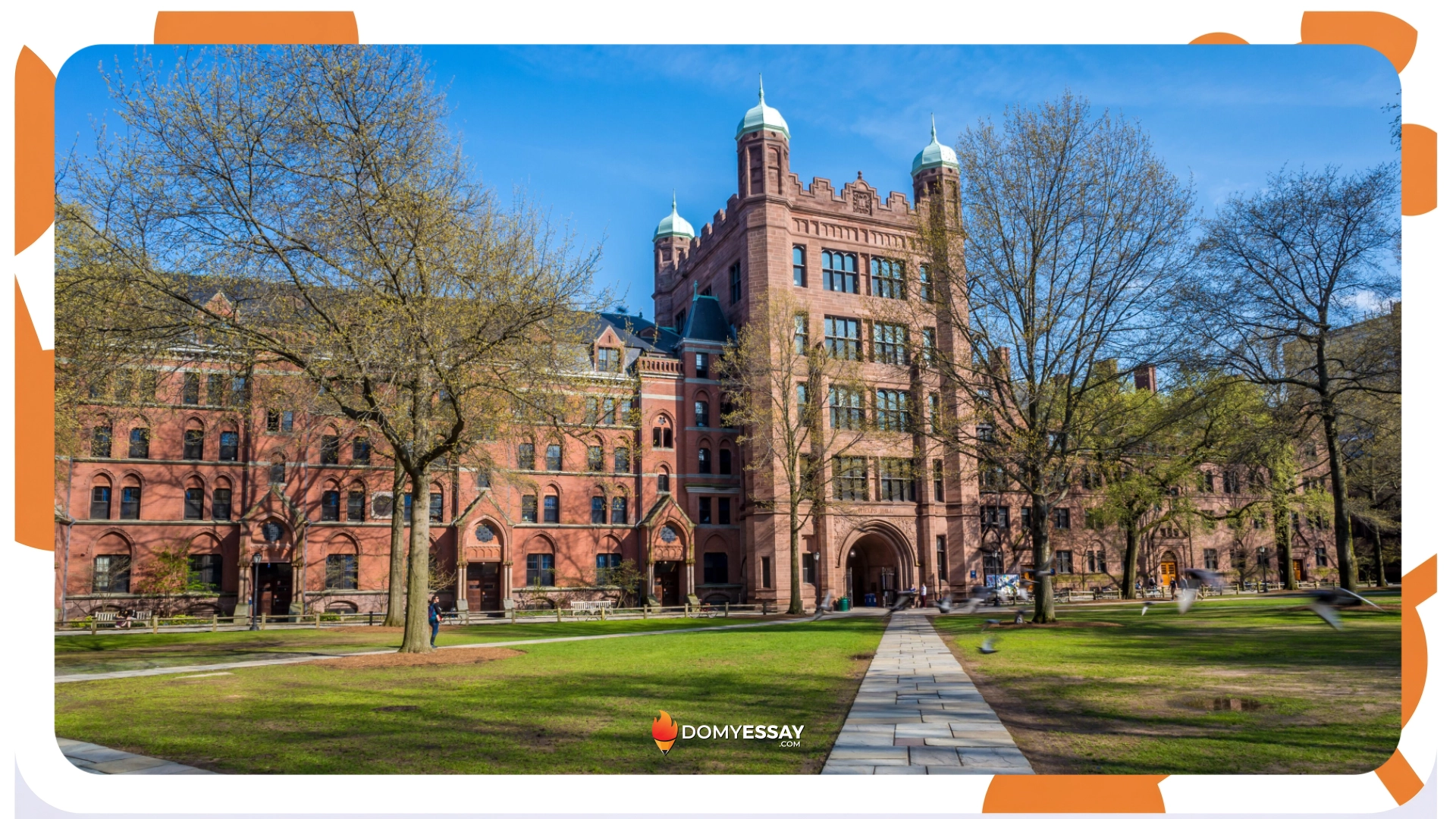
Closing the top 10 list is another private Ivy League university, Yale University. Fun fact: it was the first university to award a PhD degree in the United States, all the way back in 1861. Today, it’s renowned for its social sciences, biological and biomedical sciences, and computer sciences programs.
Unlike most U.S. universities, Yale University takes after the likes of the University of Oxford when it comes to its structure. Yale comprises 14 autonomous schools, with each school representing a tight-knit community where students study, live, and socialize.
Key strengths:
- Strong liberal arts and humanities programs, as well as biological/biomedical and computer sciences majors
- Residential college system, which helps bring students together and build communities
- Strong focus on international engagement, with plenty of study abroad programs
- Top-tier music and drama majors
Browse DoMyEssay explore for more university rankings, admissions advice, and study resources.
The World’s Top 10 Universities: Your Snapshot
Here’s how these top 10 universities fare against each other across ranking categories:
In Closing
While these 10 institutions are deemed the best universities in the world overall, keep in mind that each university has its strengths. For example, some will be a better choice for future engineering majors, while others have stronger humanities programs.
Besides, remember to factor in your chances of enrollment, financial resources, and the desired university location. A word to the wise, though: don’t put all of your eggs in one basket. Apply to multiple universities, both selective ones and not.